More Than a Case of The Mondays
—Aristotle
In related news, only 13 percent of people worldwide actually like going to work.
—Aristotle
In related news, only 13 percent of people worldwide actually like going to work.

At The Guardian, Trevor Timm points out technology law will soon be reshaped by people who don’t use email:
This is not the first time justices have opened themselves up to mockery for their uninitiated take on tech issues. Just last week, in the copyright case against Aereo, the justices’ verbal reach seemed to exceed their grasp, as they inadvertently invented phrases like “Netflick” and “iDrop”, among others. Before that, many ripped Justice Roberts for seemingly not knowing the difference between a pager and email. And then there was the time when a group of them tried to comprehend text messages, or when the justices and counsel before them agreed that “any computer group of people” could write most software “sitting around the coffee shop … over the weekend.” (Hey, at least Ginsburg reads Slate.)
The first time I remember being scared how little the government knew about technology was back in 2006 when John Stewart skewered the late senator Ted Stevens when he described the Internet as a series of tubes.
You shouldn’t be allowed to make judgements on cases involving technologies you don’t understand.
These justices are like monkeys with guns. They may not know how things work, but they’re still dangerous.
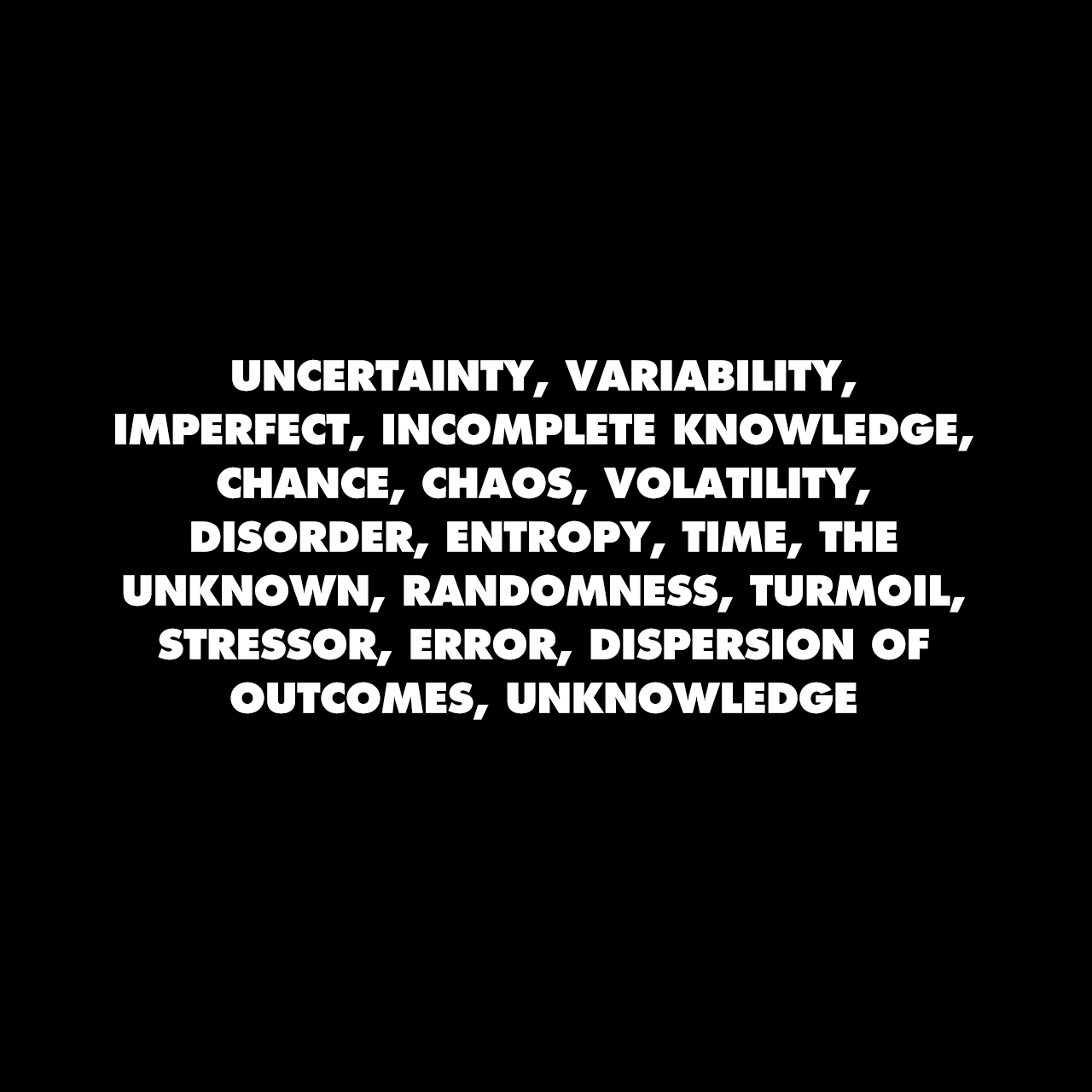
Taken from the book, Antifragile: Things That Gain from Disorder, by Nassim Nicholas Taleb
As usual, Portlandia nails it.
I’m so tired of this shit.
Armin Vit on the new PayPal logo by fuseproject:
The new logo is a really good evolution that unquestionably modernizes the previous logo. The double-P monogram has a nice rhythm to it and the two “P”s assemble together warmly — they are spooning. The typography, a modified Futura italic (or, actually, oblique), is a perfectly acceptable solution that reads more cleanly than the previous whateveritwas. The brighter blue hues help the logo compete better against the livelier identities of other payment gateways like Square.
I disagree with Vit. The new logo is shitty. My beef is specifically with the dark blue shape formed from the overlapping “P”s. It’s muddy and too close in value to the blues around it. I’m fine with the letterforms comprising the logo mark and the word mark (you know there’s a difference between a word mark and a logo mark, right?).
Call me old school, but I think a logo should activate the space in and around it. Let me dig into my Graphic Design 101 bag….. gestalt! Yeah, this thing has no gestalt, there’s no dance between negative and positive space. If you’re looking at a logo you should have an active role in deconstructing and understanding it.
Why am I wasting this critique on PayPal of all companies? As Vit notes in his post, this is the company that hasn’t updated its logged-in dashboard view in 12 years.
Update: Happy I’m not the only one who isn’t impressed with the new logo
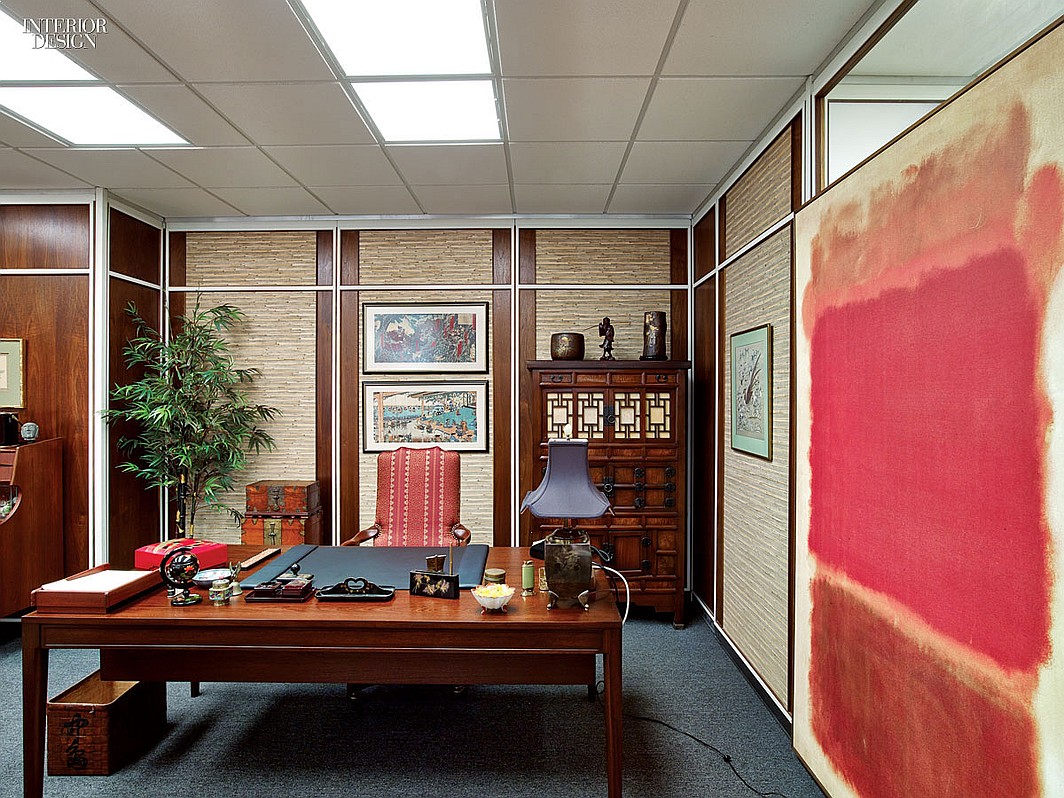


via imgur
Interesting piece by Mills Baker on the failure of designers to prove themselves worthy at “the table”:
It’s now 2014, and I doubt seriously whether I’m alone in feeling a sense of anxiety about how “design” is using its seat at the table. From the failure of “design-oriented” Path [1] to the recent news that Square is seeking a buyer [2] to the fact that Medium is paying people to use it [3], there’s evidence that the luminaries of our community have been unable to use design to achieve market success. More troubling, much of the work for which we express the most enthusiasm seems superficial, narrow in its conception of design, shallow in its ambitions, or just ineffective.
This essay has been getting quite a lot of attention in the tech/design world in the last week.
I have a lot of thoughts on it, but not enough time to write fully my reaction. I will say this: Designers are but one person at the table when a company creates websites, devices, apps and software. In much the same way as the majority of people use the word “innovation” incorrectly, many people misunderstand the role of designers.
An example of what I mean: Despite how amazing a product designer Jony Ive is, if it wasn’t for Steve Jobs’ skills in BOTH business and design, the iPod—and iPhone and iPad—would have been nothing but beautiful museum pieces for the design wing of the MoMA. Tim Cook’s acute understanding of supply chains moved Apple to buy up the world’s supply of 1.8″ hard drives following the iPod launch.
There’s also a lot semantics we need to sort out with this topic. To design is to solve a problem, be it visual or otherwise. Creative directors are many times more involved with business objectives than they are about the quality ofd the visual designs.
Lots to chew on with this essay.
At Techdirt, Mike Masnick on the Aereo court case:
We mentioned this briefly in our writeup of the oral arguments at the Supreme Court in the Aereo case, but I wanted to focus in on one particularly annoying issue that has come up repeatedly throughout this company’s history: the idea that its compliance with the law is actually the company circumventing the law. A perfect example of this is an incredibly ill-informed opinion piece for New York Magazine’s Kevin Roose that declares, based on a near total misunderstanding of the case, that the Supreme Court should shut down Aereo because its 10,000 antennas are a cheap “copyright-avoidance gimmick.”
But that’s simply incorrect. It’s actually 100% the opposite. We’ll fully admit, as that article does, that the setup of Aereo is simply insane from a technology standpoint. There is no good reason at all to design the technology this way. But the reason they’re doing this is not to avoid copyright but to comply with it. If you think that this is insane (and you’re right) the answer is not to whine about what Aereo is doing, but to note that it’s copyright law that leads to this bizarre result. Don’t blame Aereo for following exactly what the law says, and then say it’s a “gimmick.” Blame the law for forcing Aereo down this path.
Copyright law is broken. It’s been so for quite some time.
Joel Johnson from NBC New on the licensing around digital purchases from Amazon:
The core issue might actually be a simple matter of semantics: when we click a digital button that is labelled “Buy,” we expect that we’re actually buying something. But we’re not buying anything, we’re licensing it. Just last year, the Supreme Court ruled that the first-sale doctrine does not apply to software — or e-books. Or apps. Nor pretty much everything you “Buy” online that doesn’t get shipped to your home in a cardboard box.
The perpetual tug-of-war between content wanting to be free and companies trying to lock it down continues.
Jonathan Jones on why we can’t stop Retronauting (sharing old photographs):
What is nostalgia? For me it’s triggered by the sense that my parents might be young people in Butterfield’s deep colour vistas of the West End of London. For enthusiasts who post historic photographs on Twitter, it’s more broadly scattered. These pictures reveal the wealth of photographic documents, memories and arcana that these sites have dragged into the 21st-century limelight, from an 1890s portrait of Cornelia Sorabji, India’s first female advocate and the first woman to study law at Oxford University, to the building of the Hoover dam in Roosevelt’s America.
I won’t lie, I love old photographs—and old illustrations, old typography, old car manuals, and kitschy ads in the back of early 20th century magazines. I’ve been in orbit retronauting for many years now.
The idea for Daily Exhaust and The Combustion Chamber came from a 1950’s booklet on cars from my father.
In other news, Getty added another 77,000 images to it’s open content archive and the National Library of Ireland added 10,000 images to their online archive.
Nice job, LG:

Seriously, why fucking bother coming out with a ‘smart’ watch when it looks that bad?