Not Sure
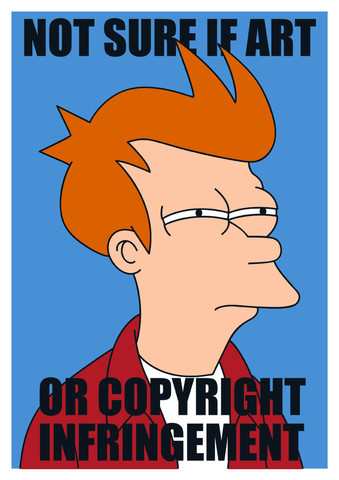
via 1988
via 1988
—A.O. Scott, in his review of Whiplash at The New York Times
Bloomberg: Why Elon Musk’s Batteries Scare the Hell Out of the Electric Company:
Here’s why something as basic as a battery both thrills and terrifies the U.S. utility industry.
At a sagebrush-strewn industrial park outside of Reno, Nevada, bulldozers are clearing dirt for Tesla Motors Inc. (TSLA)’s battery factory, projected to be the world’s largest.
Tesla’s founder, Elon Musk, sees the $5 billion facility as a key step toward making electric cars more affordable, while ending reliance on oil and reducing greenhouse gas emissions. At first blush, the push toward more electric cars looks to be positive for utilities struggling with stagnant sales from energy conservation and slow economic growth.
Yet Musk’s so-called gigafactory may soon become an existential threat to the 100-year-old utility business model. The facility will also churn out stationary battery packs that can be paired with rooftop solar panels to store power. Already, a second company led by Musk, SolarCity Corp. (SCTY), is packaging solar panels and batteries to power California homes and companies including Wal-Mart Stores Inc.
While the headline is true, it’s unfortunate.
Shouldn’t we instead be thinking how amazing it could be if regular people could generate their own electricity, saving thousands of dollars a year?
Steve Wozniak dispelled a bullshit myth about Apple with Bloomberg Businessweek:
“The garage is a bit of a myth,” Woz tells Bloomberg Businessweek. “We did no designs there, no breadboarding, no prototyping, no planning of products. We did no manufacturing there. The garage didn’t serve much purpose, except it was something for us to feel was our home. We had no money. You have to work out of your home when you have no money.”
Woz says that he did a lot of the hard work of building the computer at his cubicle at HP in the ’70s, where he would spend his time “soldering things together, putting the chips together, designing them, drawing them on drafting tables.”
Full interview here.
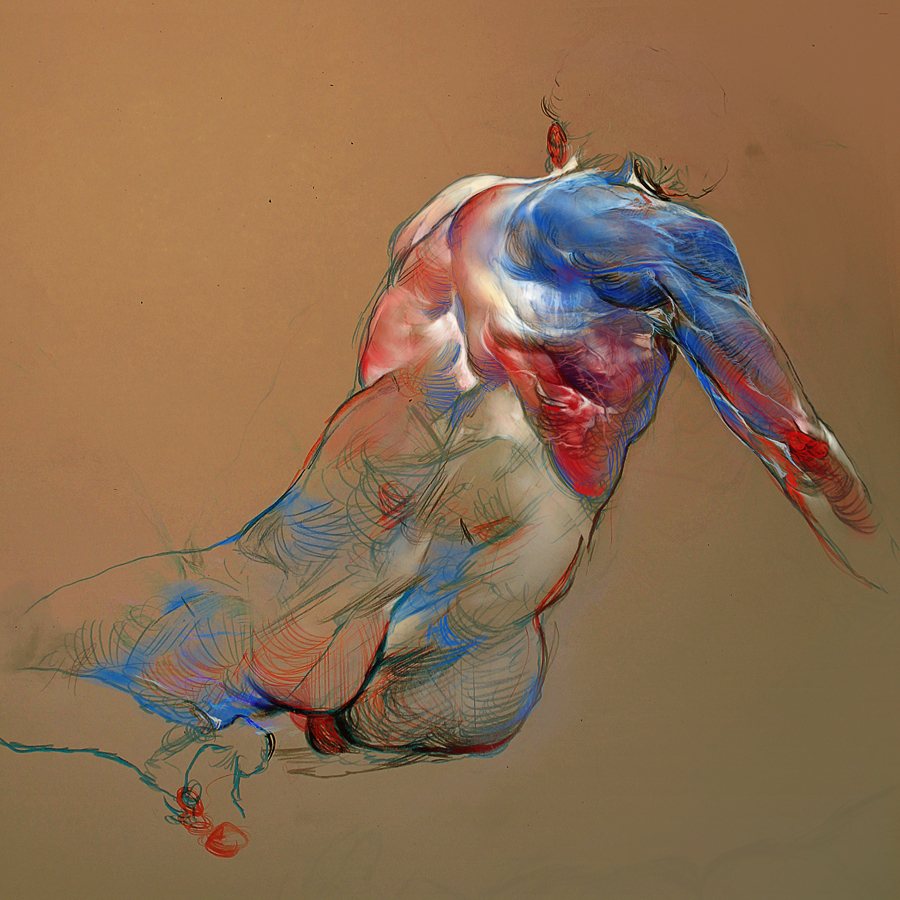
Beautiful work by Jeff Simpson
via thisisnthappiness
This past Sunday’s New York Times Magazine had a an incredible profile on artist Theo Jansen.
Jansen creates kinetic sculptures—he calls them beests—that literally walk themselves across the coast:
The calibrations and recalibrations took years, across generation after generation of new beest types and fresh experiments at the shore. ”People talk about how beautiful my strandbeests are as they parade down the beach,” he said. ”But you have to understand: I was never interested in beauty as such. I was interested in survival, so everything was based on a consideration of function, how to make the things function better. The fascinating thing, though, was that — here again, as with nature — the better the functioning, often, the more beautiful the result.
You have to see his beests in action to understand how awesome they are:
This week Michael and Bryan discuss Michael’s tumor removal, Bryan’s book’s 1-star book review on Amazon, anonymous commenting on the Web, safe topics to discuss with your family over Thanksgiving, the Marussia F1 Auction and the life of Formula 1 car parts. This episode opens with a scene from Dazed and Confused.
Weekly Exhaust – Episode 23 (Subscribe on iTunes)
My Kickstarter project, Charms, Quivers & Parades was successfully funded on February 25th, 2014. Now that I have shipped all the rewards to my backers, it’s time I give back.
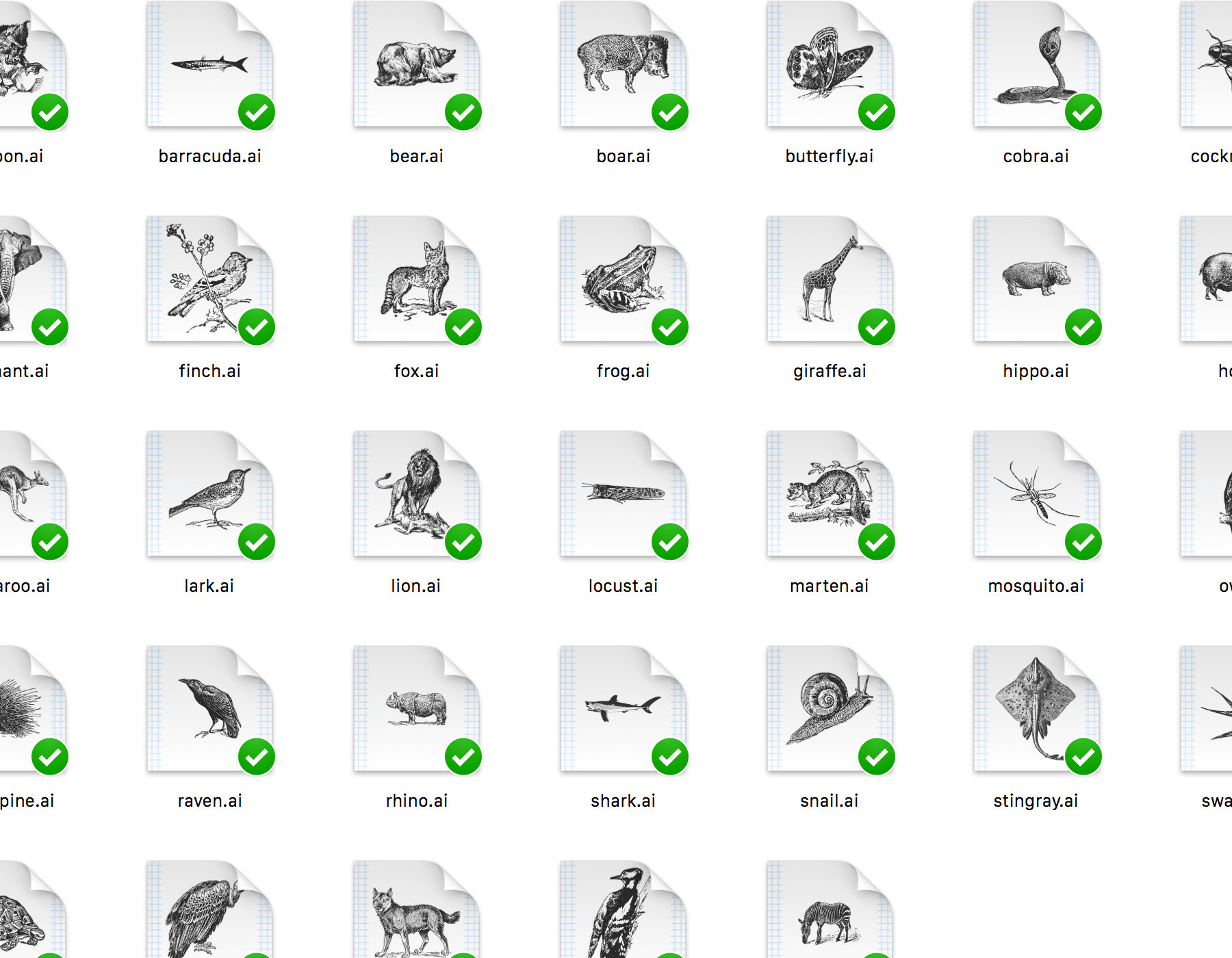
I’m sharing all of the vintage animal illustrations I used for the project (save for 2 I bought from stock image websites). You can download the zip archive of Illustrator files at The Combustion Chamber.
I’ve released these under a public domain license. Why a public domain license? They were never mine to begin with. Like a hip hop art remixing old Motown riffs, I discovered these late 19th/early 20th century images and remixed them in my art.
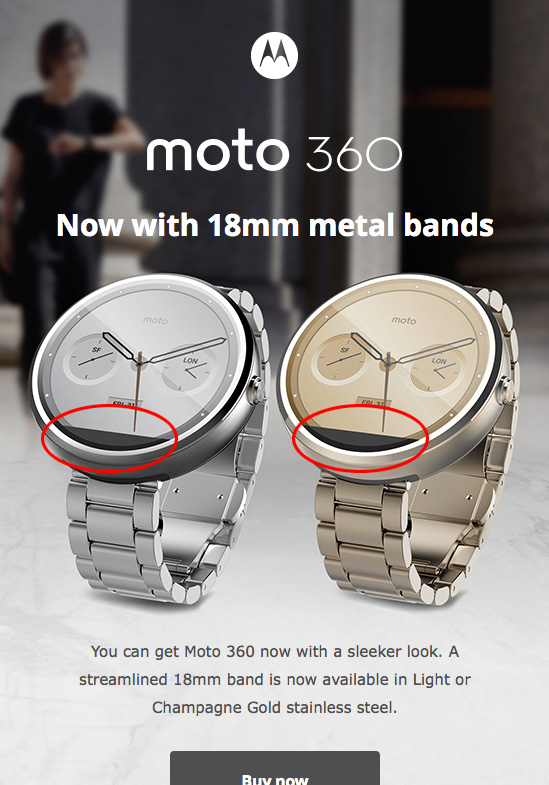
Every time I see the Moto 360 Watch I’m reminded how bad a Fail it is.
The fact that the screen isn’t even 360 degrees is beyond comical.
It’s like they tried to design a beautiful car and released it to the public with no paint on one door.
From a great New Yorker piece from 2011 on crowd psychology:
The origins of the term Black Friday are obscure. Some think that it was first used by the police in Philadelphia to describe the snarled traffic and sidewalk hassles that came with the day after Thanksgiving and crowds arriving for the city’s annual Army-Navy game. Others have defined Black Friday as the day that merchants’ balance sheets crossed over into the black. Either way, it is now a de-facto national shopping holiday. On TV, images of people racing through the aisles of stores for sale-priced items, in a sort of American Pamplona, have become as much a part of the day after Thanksgiving as leftovers. Shoppers get discounts, programmers get some lively content for a slow news day, and retailers get free publicity: a good deal for everyone, except for the clerks who have to work that day, breaking up fights among shoppers and cleaning up the mess left behind.
There had been injuries on previous Black Fridays, but no one had ever died before Jdimytai Damour went down in the Valley Stream Wal-Mart. His death, and the “Wal-Mart Stampede” that caused it, was the lead story on news channels across the country that evening, and it provoked a vast outcry of horror. In days of commentary that followed, the crowd was widely vilified. The tone of much of the reaction was captured by a letter writer to the New York Post, who blamed “the animals (you know who you are) who stampeded that poor man at Wal-Mart on Black Friday: You are a perfect example of the depraved decadence of society today.”
To be clear: we are all animals. Rich, poor, black, white, Latino, Chinese, Indian, —every human on every continent is an animal. Whatever humans are orbiting in space are animals too.
We like to think of ourselves as these evolved beings with smartphones and clothing, the smartest creatures on Earth. What we usually don’t bother to acknowledge our animal instincts. Our survival instincts for food and shelter and sleep. The fact that we make many day-to-day decisions in life based on irrational reasons.
Underneath our higher brain lies the lizard brain, the emotional brain we can’t control.
I think it’s reckless for any business to have events without proper understanding of crowd psychology and without implementing proper measures to avoid bullshit like stampedes and looting.
What’s the stylus good for? According to Microsoft’s TV ads, it’s good for circling things. I know because I made the positive life decision of watching every advertisement Microsoft’s made for the Surface, from the ones that aired on TV, to the multi-minute-long ones the company uses to pitch businesses.
—The Verge: Microsoft can’t explain why its Surface tablet needs a pen
Styluses are bullshit.
I’ve never seen a compelling use for a stylus, save for actually drawing and making art with it. If I had to get a stylus, I’d get the Pencil from FiftyThree.
Derek Thompson at The Atlantic on The Shazam Effect:
Culbertson wanted to check up on SoMo, an R&B singer from Denison, Texas, whom Culbertson had helped sign last year. Culbertson zoomed in on Victoria, Texas, a small city between Corpus Christi and Houston, where one of the radio stations had started playing a SoMo single called “Ride.” Although a town of just 63,000 won’t launch a national hit by itself, Culbertson was using Victoria as a sort of testing ground to determine whether the song would resonate with listeners. “ ’Ride,’ ” he told me, “is the No. 1 tagged song in Victoria.”
Pop music is a sentimental business, and predicting the next big thing has often meant being inside that crowded bar, watching a young band connect with the besotted, swaying throng. But now that new artists are more likely to make a name for themselves on Twitter than in a Nashville club, Culbertson is finding that the chair in front of his computer might be the best seat in the house.
It’s not that I don’t want talented artists to get recognized, but there’s no gestation period anymore. Artists immediately go from underground and undiscovered to Top 10 and played to death, over and over on TV and radio (and Spotify).