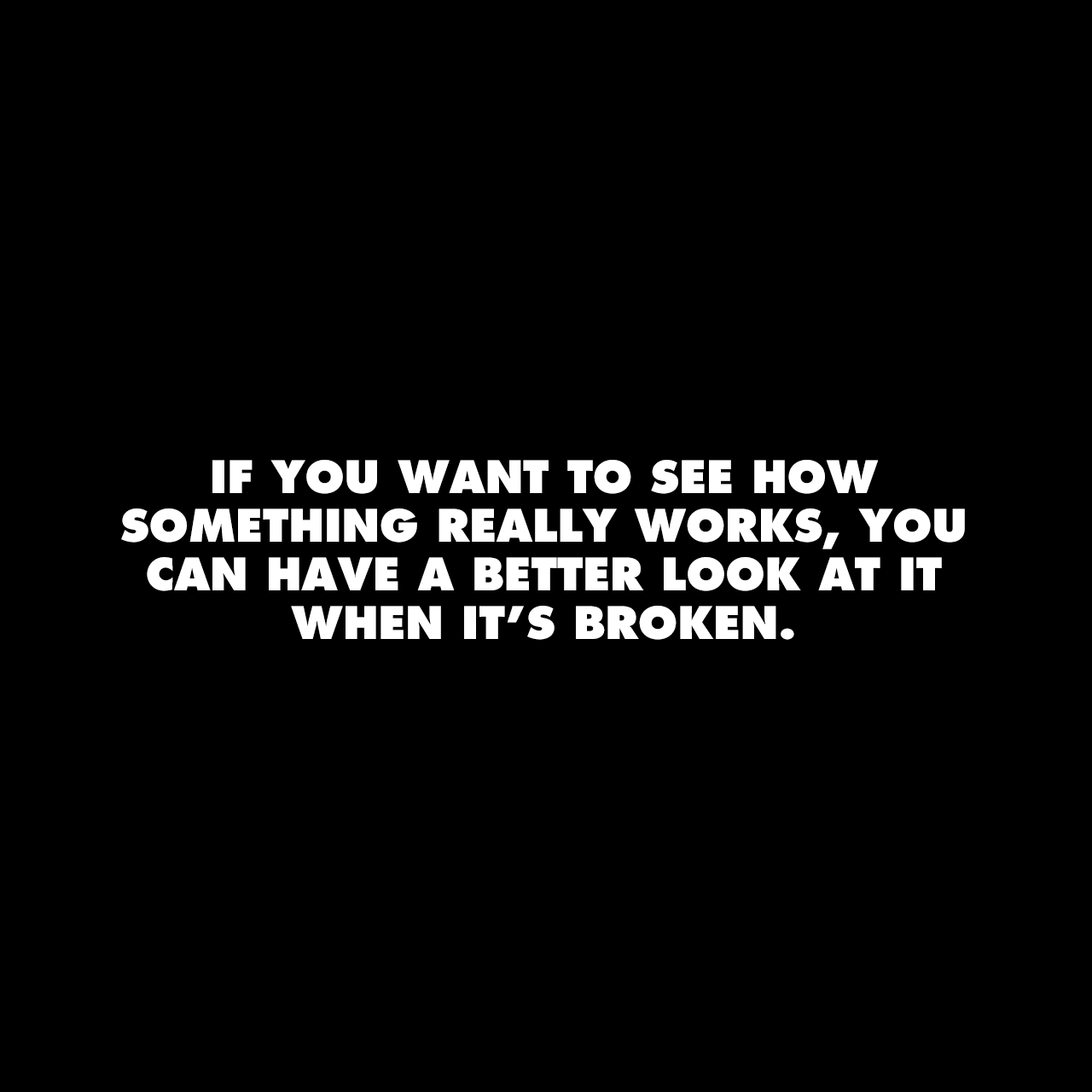
Try It

via Quora
via Quora
Ellsworth Kelly, still painting at 91 years old:

So great.
The above image was taken from a piece on some prominent people over 80 that are still going going strong.
There’s a great article on the origins of book chapters by Nicholas Dames at The New Yorker:
Novels have always been good at absorbing and recycling, taking plots and devices from other genres and finding new uses for them. With the chapter, novelists began, in the eighteenth century, to naturalize an informational technology from antiquity by giving it a new cultural role. What the chapter did for the novel was to aerate it: by encouraging us to pause, stop, and put the book down–a chapter before bed, say–the chapter-break helps to root novels in the routines of everyday life. The chapter openly permitted a reading oriented around pauses–for reflection or rumination, perhaps, but also for refreshment or diversion. Laurence Sterne’s “Tristram Shandy” insisted that “chapters relieve the mind,” encouraging our immersion by letting us know that we will soon be allowed to exit and return to other tasks or demands. Coming and going–an attention paid out rhythmically–would become part of how novelists imagined their books would be read.
The formatting within the medium is the message?
Verge headline:
Video: Crazy man runs from the cops using the same techniques that work in Grand Theft Auto
Yep, I’ve used those techniques in GTA, but they only work in GTA.

via Designer News
Blocs – Preview demo from Norm on Vimeo.
It seems Amazon wants to blanket the world in cheap Kindles, not great Kindles. Not surprising.
Marco Arment on the Kindle Voyage:
And this crisp, new, high-resolution screen is still displaying justified text with very few, mostly bad font choices. Some of these choices, like the default PMN Caecilia font, made sense on the old, low-resolution Kindle screens but need to be reconsidered for this decade. Some of them, like forced justification and forced publisher font overrides, have always been bad ideas.
But Amazon doesn’t care. Nothing about the Voyage’s software feels modern, or even maintained. It feels like it has a staff of one person who’s only allowed to work on it for a few weeks each year.
If you’re making devices to read books on and you don’t give a shit about typography and readability, then what do you care about?
It’s like a car maker not caring that their tires are lopsided and their seats have no cushions.
Oh, and Bryan is still waiting for page scrolling on the Kindle app for iOS.
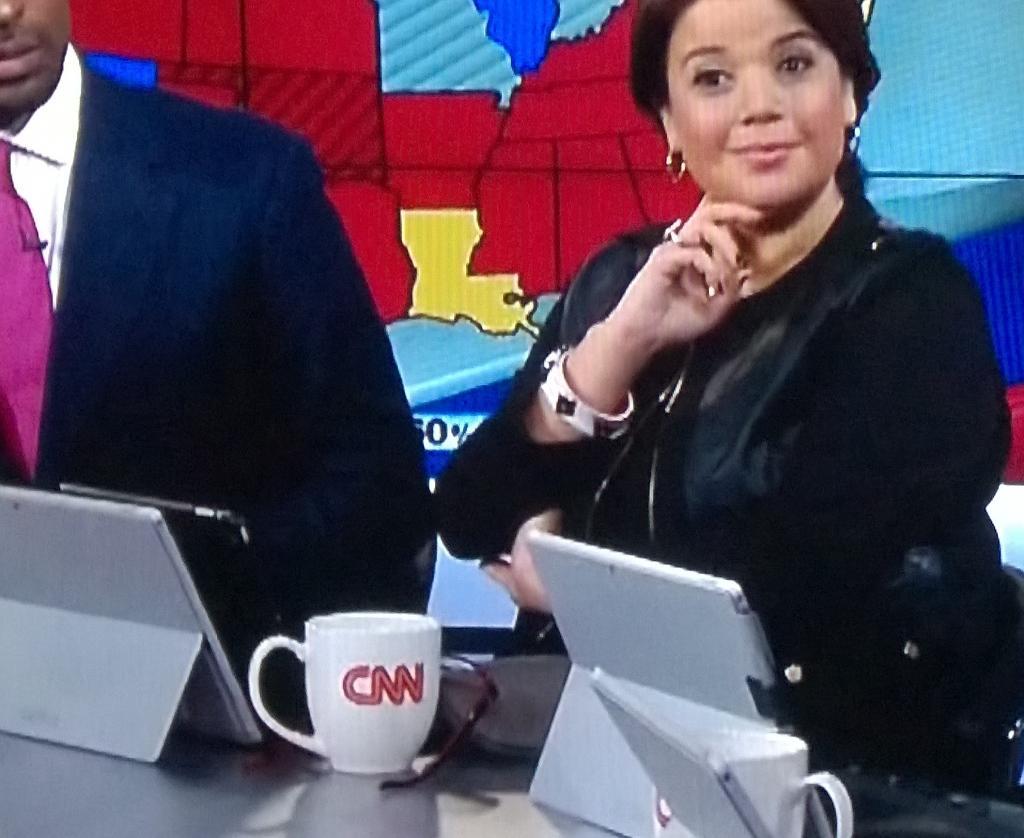
CNN commentators using Microsoft @surface tablets as an iPad stand:
Tim Urban on why Gen Y Protagonists & Special Yuppies (aka, ‘GYPSYs’) are unhappy, whining little bitches:
After graduating from being insufferable hippies, Lucy’s parents embarked on their careers. As the 70s, 80s, and 90s rolled along, the world entered a time of unprecedented economic prosperity. Lucy’s parents did even better than they expected to. This left them feeling gratified and optimistic.
With a smoother, more positive life experience than that of their own parents, Lucy’s parents raised Lucy with a sense of optimism and unbounded possibility. And they weren’t alone. Baby Boomers all around the country and world told their Gen Y kids that they could be whatever they wanted to be, instilling the special protagonist identity deep within their psyches.
This left GYPSYs feeling tremendously hopeful about their careers, to the point where their parents’ goals of a green lawn of secure prosperity didn’t really do it for them. A GYPSY-worthy lawn has flowers.
Urban targets Gen Y as people born between the late 70s and mid 90s. I say the behavior he’s describing relates most to the those born in the ’90s (aka, ‘Millenials’). I was born in 1977 and most of the people my age I know locked down careers right before shit got rocky for the kids entering the workforce in the ’00s and ’10s.
Then there’s social media world taunting the GYPSYs:
Social media creates a world for Lucy where A) what everyone else is doing is very out in the open, B) most people present an inflated version of their own existence, and C) the people who chime in the most about their careers are usually those whose careers (or relationships) are going the best, while struggling people tend not to broadcast their situation. This leaves Lucy feeling, incorrectly, like everyone else is doing really well, only adding to her misery.
He’s absolutely right. If you’re going use social media, use it in small doses or it’s like having too many beers.
Following Google’s new guide for switching to Android will put you firmly in the company’s grip.
That’s not necessarily a bad thing, as Google has strong cloud services for managing your mail, photos, contacts, and music. Yet in contrast with Apple’s recently published tutorial for migrating to the iPhone, Google’s strategy is to keep you using its services even if you do move back to the iPhone one day. Its services are also clearly better at migration and present on both platforms, making switching painless.
Wow, Google locks you into it’s ecosystem like Apple.
I’m shocked!
It seems Google and Apple want seamless experiences across all their services on their hardware.
Sounds horrible and illogical.
Russell Brand is charming and can be persuasive when you see him on television, but it seems his abilities end with his rhetorical skills:
But Brand isn’t a writer, no matter how much he fancies himself one, so fairness demands we cut him a tiny bit of slack. He is, though, a comedian, so there is little excuse for the painfully limp jokes, often lurking at the end of a sentence in parentheses: “You know me, when I started this book I really thought I might be able to write my version of, I dunno, Mein Kampf (whatever happened to that guy?)”; “I mean, if Gandhi can write a letter to Hitler, lovingly requesting that he step back from genocide (that went well!)”; “He–remarkably and with a straight face–tied it in to 9/11 (you remember those towers; there were two of ’em, I think)”; “…that cuddly ol’ Thatcher chum, General Pinochet–although if you ask me he wasn’t that general; he was specifically a bit of a bastard.”
Oh dear.
The problem here isn’t so much that Brand knows nothing about history, is politically naive, doesn’t understand even the rudiments of economics, can’t write, and manages 320 pages without producing a single laugh. It’s that his self-righteousness often veers into the authoritarian.
And he’s selling t-shirts with his face in the ‘Che Guevara pose’ on his website. Good lord.